-
Pulverulentis Siccus
The title is a name which C.S. Lewis employs as an author of a children’s grammar in his book, Prince Caspian. The name means, “full of dry dust” which is just what Lewis thought of a good bit of what was being written from young minds. The poem itself is…
-

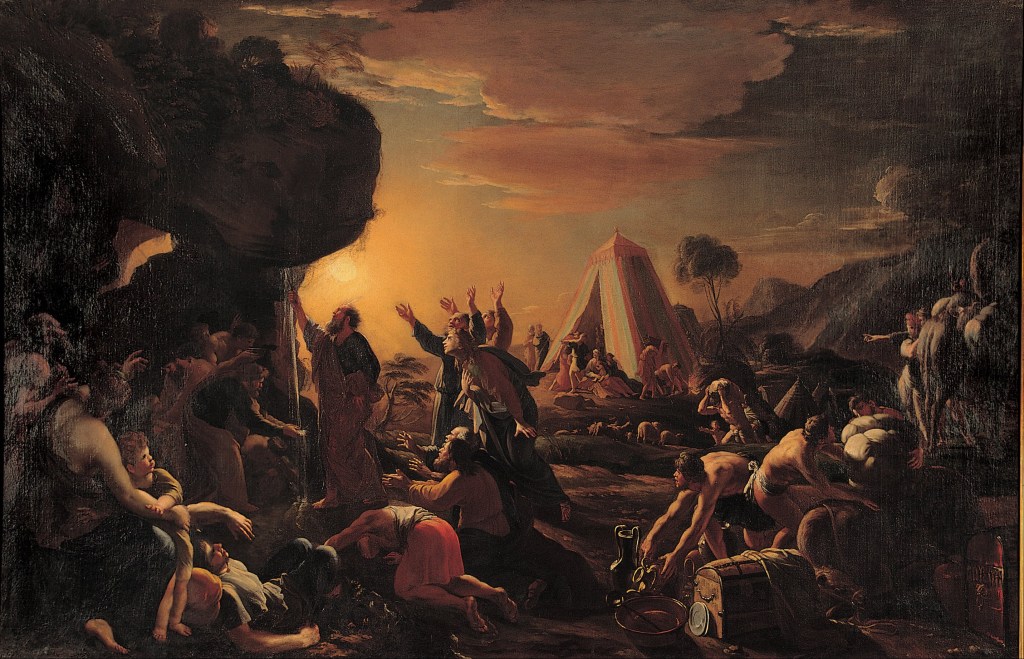
You Are Dust
This is a reposted sonnet for Ash Wednesday entitled, You Are Dust. The poem is based on the lines spoken when ashes are imposed on the forehead for Ash Wednesday; those lines are a quote of Genesis 3:19 which reads, By the sweat of your face you shall eat bread,…
-
Your Good Deeds
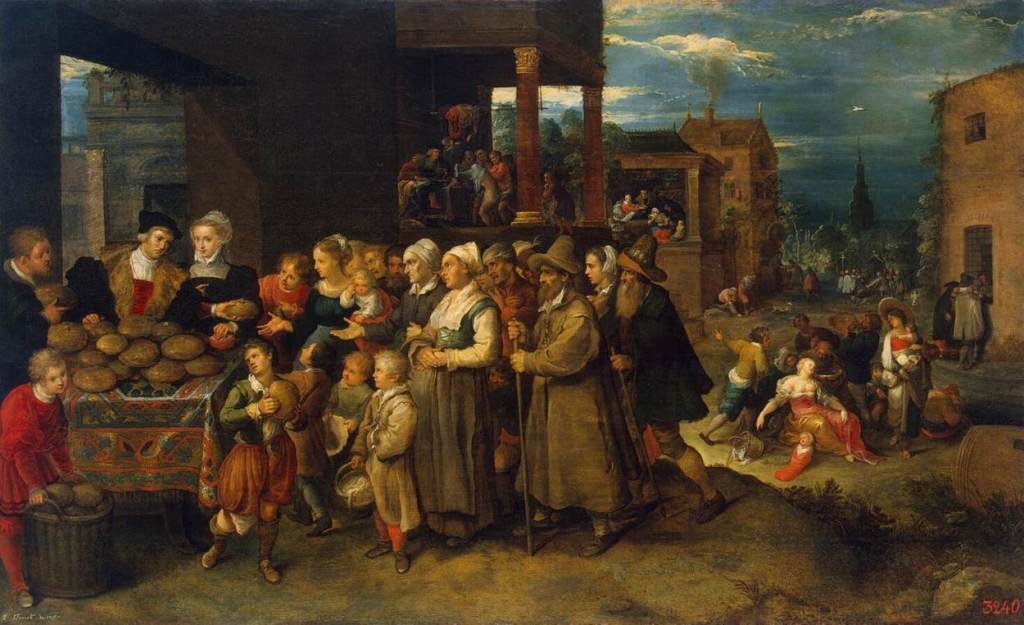
This poem is based upon Matthew 6:1-6, 16-21 which is the lectionary reading for this coming Ash Wednesday. If it’s helpful, you may listen to me read the sonnet via the player below. Your good deeds should be so secret that you Don’t even know what you do, Nor notice…
-
Learn to Behold
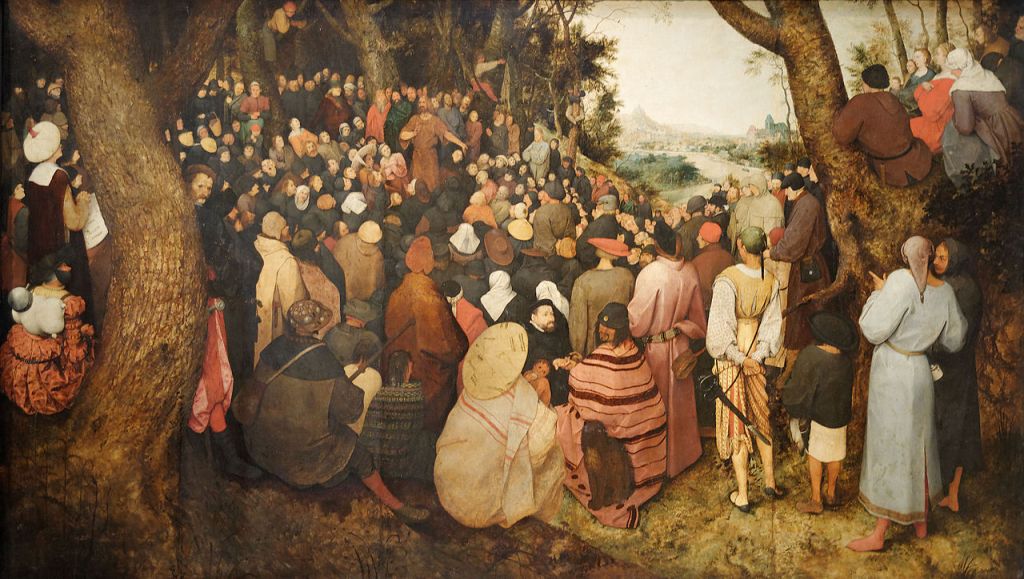
This sonnet is next in the series That You May Believe. It is based on John 3:22-36 when John’s disciples come to John with the complaint that Jesus is baptizing and all are going over to him. John corrects his disciples and shows them how they have become disconnected from…
-

Suddenly He Comes
In the United States February 2 is Groundhog Day. For many Christians, February 2 is Candlemas or the Feast of the Presentation of Christ in the Temple. The Presentation is found in Luke 2:22-38 which records the events forty days after the birth of Jesus. At that time, Mary and…
 Backward Mutters